Solid colour and classic white
Set a colour reference, gloss preference and coverage requirement for rims, interiors and undersides. The white fluted archive set illustrates a restrained visual direction, with the body specified during sampling.
China origins · Materials · Shared know-how
Build your tableware range with MAGICERAMIC: choose the ceramic body, finish and form, then connect your brief to our China manufacturing network. Our own invention-patent process know-how is shared with partner factories across China and Africa. Material identity, manufacturing responsibilities and sample approval are recorded for each project.

01 · Ceramic body
Use this guide to compare ceramic body families. These general definitions help frame a sourcing brief; the composition, finished properties and intended use are specified for each selected item.
| Body family | General definition | Record in the buying brief |
|---|---|---|
| Porcelain | A vitrified ceramic body, commonly white; appearance and translucency vary with formulation and section thickness. | Body specification, profile, weight and finish |
| Stoneware | A dense fired ceramic body with a range of natural and coloured appearances. | Body identity, glaze and acceptable variation |
| Bone china | A ceramic body formulated with bone ash; composition and finished characteristics are item specific. | Composition evidence and sample reference |
| New bone china | A commercial naming convention that does not by itself establish bone-ash content. | Actual composition and agreed material name |
| Earthenware | A generally more porous ceramic body that often relies on glaze for the finished surface. | Finished use, glaze and care requirements |
| Dolomite | A body description associated with dolomite-containing ceramic formulations, often used for decorative ware. | Formulation and intended-use specification |
| Terracotta | An earthenware family associated with naturally earthy body colours. | Body colour, surface treatment and intended use |
02 · Glaze and decoration
Finish names describe the surface or design, not the ceramic body. Review colour, texture and decoration on the proposed shape. For multi-piece collections, agree which differences are intentional and which would be rejected; a single photograph cannot define an acceptable production range.
Set a colour reference, gloss preference and coverage requirement for rims, interiors and undersides. The white fluted archive set illustrates a restrained visual direction, with the body specified during sampling.
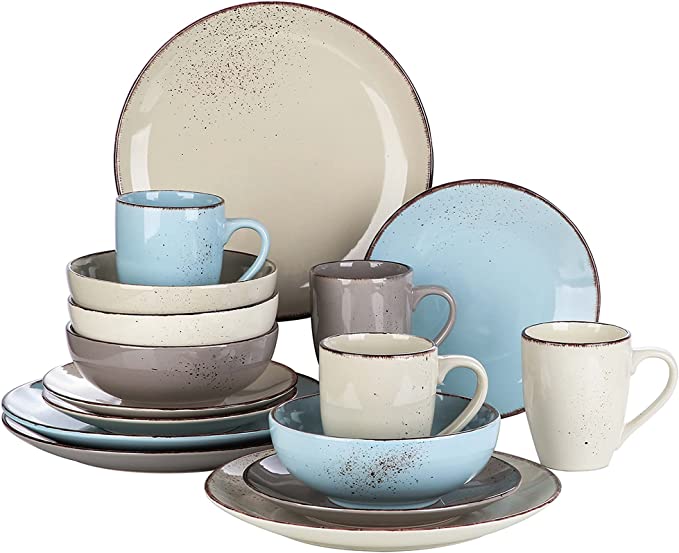
Build an acceptance range from several samples rather than expecting every surface to match one photograph. Specify the limits for tone, speckle density and visible variation independently of the body choice.
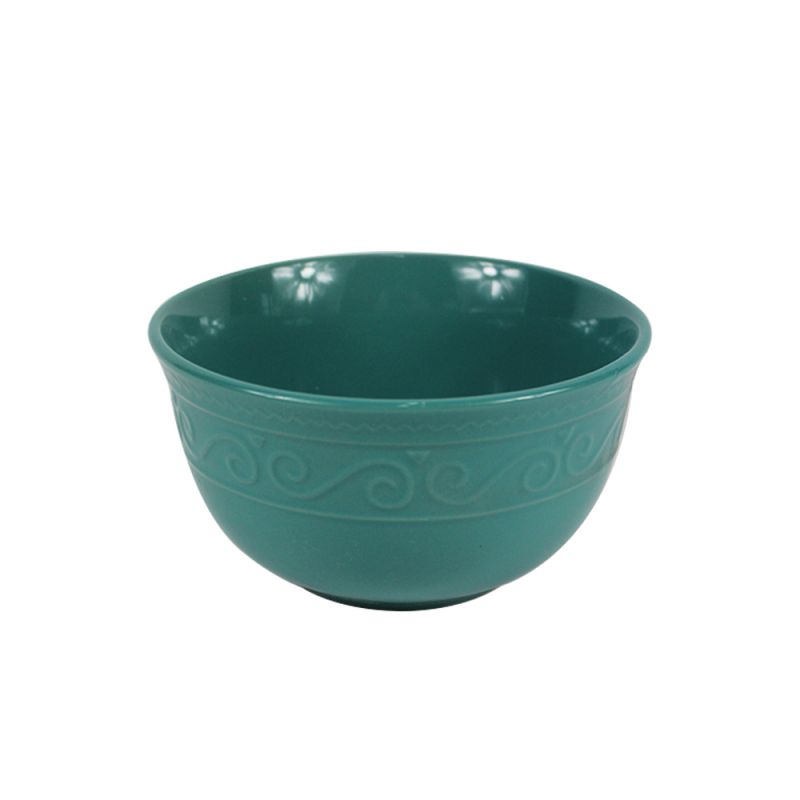
Choose where the detail belongs: rim, outer wall, handle or another agreed area. Review relief definition and decorated artwork in sampling. Shape tooling and artwork permissions are separate decisions from material selection.
03 · Intended application
Separate the material shortlist from the application brief. A dining plate, serving dish and decorative vessel need different specifications even when they share a visual theme. Confirm the use of every SKU before approving its body and finish.
Define dinner plates, side plates, bowls and cups by dimensions and use. Restaurant service, assortment planning and replenishment belong in the Hospitality brief linked below.
Describe what will be served and how the piece will be handled and stored. Include usable area, depth, handle clearance and any intended heating or cleaning conditions in the sample request.
For vases, planters and display objects, define the intended function, finish and packaging. Decorative appearance must not be treated as evidence of food-contact suitability.
04 · Custom development
For a custom tableware project, compare each proposed product against the same brief. Include drawings or references, body preference, finish targets, destination market and quantity by item. Identify what can use an existing shape and what needs development; request project-specific tooling, sample and timing proposals.
List dimensions and related pieces, including items that must nest or coordinate. Agree how dimensions will be measured and which sample becomes the reference for approval.
Provide rights-cleared artwork and intended logo placement. Describe retail, gift or bulk packing needs so decoration and packaging can be reviewed alongside the product.
Request material identification, intended-use test documentation and proposed care instructions for the finished product. Match reports to the body, glaze, decoration and destination requirements; do not assume a report covers another combination.
05 · Manufacturing route
MAGICERAMIC combines in-house ceramic development with a partner manufacturing network across China. Our own invention-patent process know-how is shared with factories in Chinese ceramic-producing regions and African partner factories. Your product brief connects the chosen material and finish to the operations, samples and quality plan for the order.
Start with the body, form and finish. Match the proposed item to its producing facility and record forming, glazing, firing, decoration and packing responsibilities.
Our proprietary invention-patent process know-how supports ceramic development and technology transfer to partner factories. Agree the process scope and evaluate the resulting physical samples for your project.
We share ceramic process know-how across partner factories in China and Africa. Compare the proposed route, sample programme and shipment requirements using the same product specification.
06 · From reference to approval
The goal is an agreed product specification, with the chosen material, finish and intended use recorded together. Commercial terms follow the selected route and item mix; no fixed price, universal minimum order or guaranteed lead time is implied.
Before we begin
Provide diameter, depth, rim profile, finish, intended use and destination market. State porcelain as a body requirement and ask for identification of the proposed sample. Photographs and a white surface alone do not confirm it.
They describe separate choices: stoneware is a body family, while reactive glaze describes a surface direction. Record the body and glaze separately and review the proposed combination through samples.
Yes, it can request alternatives for comparison. Keep each option separately identified, with its item specification, sampling proposal and commercial terms. Agree the final body per SKU before consolidating an order.
Include the artwork, placement, shape reference and quantity profile in the brief. Existing shapes and new tooling require separate feasibility and cost review. Artwork ownership and permission must be checked before reproduction.
We identify the body for each selected item and state it in the project quotation and sample record. Use the archive image to choose shapes and finishes, then approve the physical sample against that specification.
Use the Hospitality tableware page for restaurant assortment, stacking, packing and replacement planning. Keep your selected material requirements in that brief so procurement and sampling refer to the same items.
Your next collection
Share your piece list, body preference, finish direction and destination. We will review the product and sampling route together.
Discuss your material brief