Dinner and side plates
For bulk ceramic dinner plates, provide the desired diameter, rim width and portion reference. Add side or dessert plates only where they serve a defined menu role. Identify which pieces need a coordinated profile.
Restaurants · Hotels · Food service
A restaurant collection needs more than a matching colour. Plan the plates that frame your menu, bowls that suit each portion and pieces your team can store and handle. Bring MAGICERAMIC your service brief to discuss a ceramic assortment, sample review and project-specific supply proposal.
01 · Menu and assortment
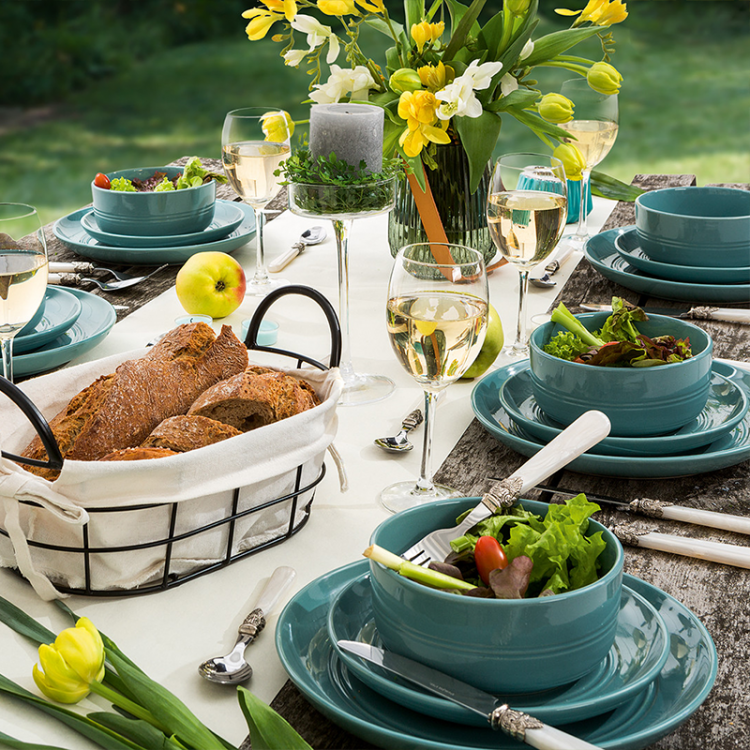
Choose the usable serving area, depth and rim profile for each dish before deciding how many pieces belong in the collection. A plated tasting menu, a café and a shared-table concept create different assortment needs. Give each item a name and size in the brief so sample review and the quotation cover the same range.
For bulk ceramic dinner plates, provide the desired diameter, rim width and portion reference. Add side or dessert plates only where they serve a defined menu role. Identify which pieces need a coordinated profile.
Specify depth, capacity targets and handle clearance where relevant. A soup bowl, pasta bowl and cup should each be checked for the intended serving method and storage arrangement.
Describe sharing platters, sauce dishes and presentation pieces separately. Include the space available on tables and service trays, and any lid or accessory that must fit.
| Item | Include in the specification |
|---|---|
| Dinner plate | Diameter, usable serving area, rim profile and quantity |
| Side plate | Diameter, menu role and quantity |
| Pasta bowl | Diameter, depth, portion reference and quantity |
| Soup bowl | Capacity target, depth and quantity |
| Cup | Capacity target, handle clearance and quantity |
| Saucer | Cup fit, outer diameter and quantity |
Collection directions
Product archive references for shape, colour and piece mix. Body, dimensions, availability and service requirements are specified for the selected items during quotation and sampling.
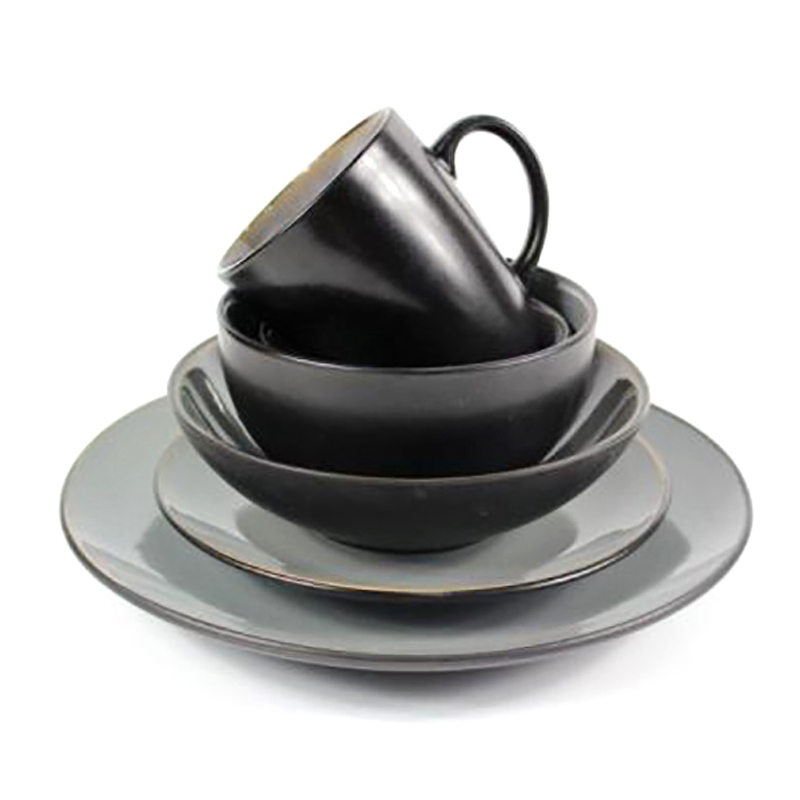
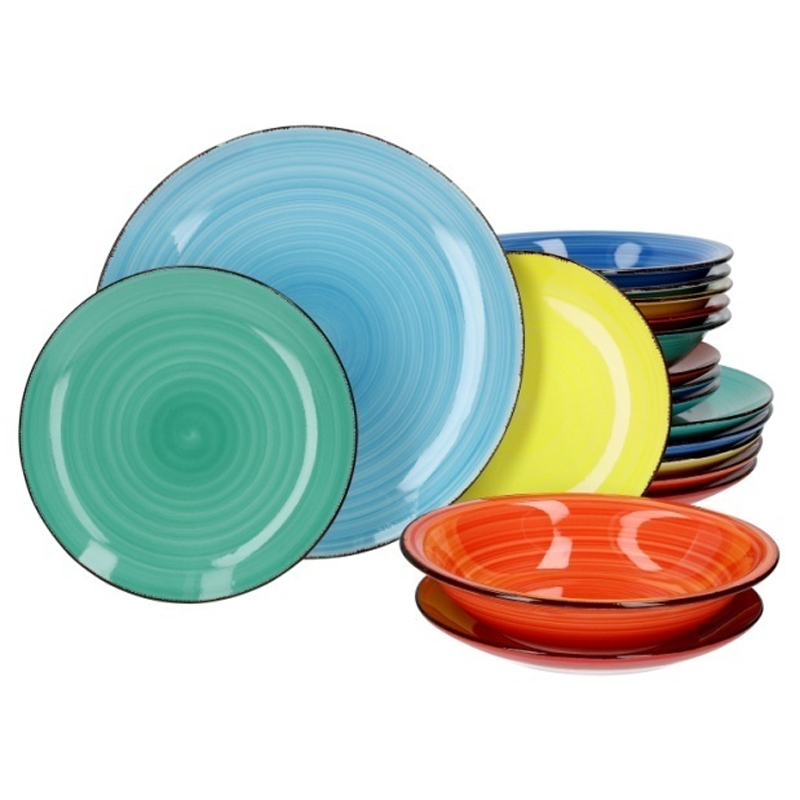
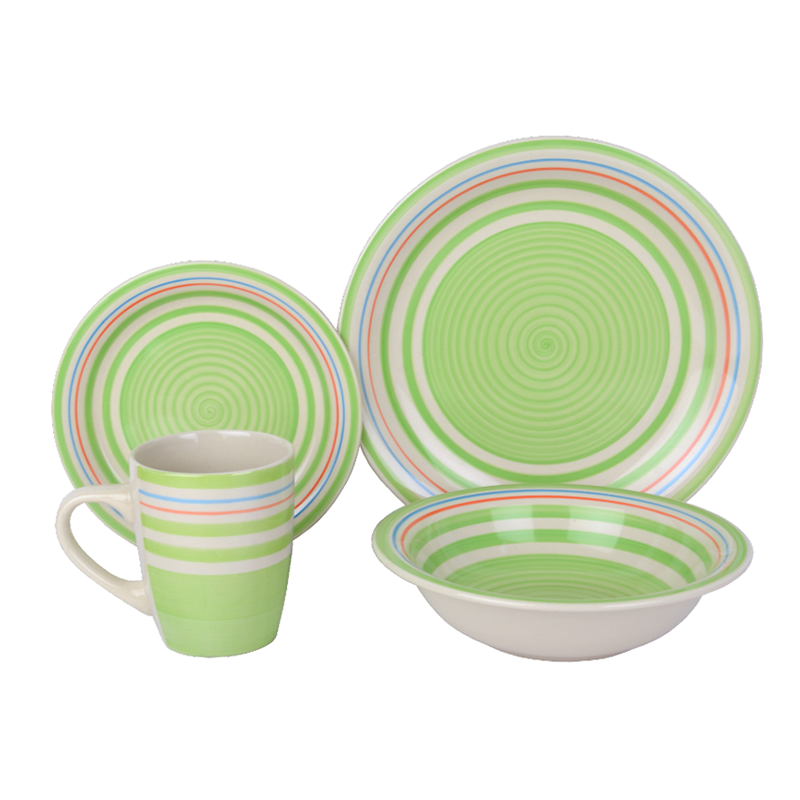

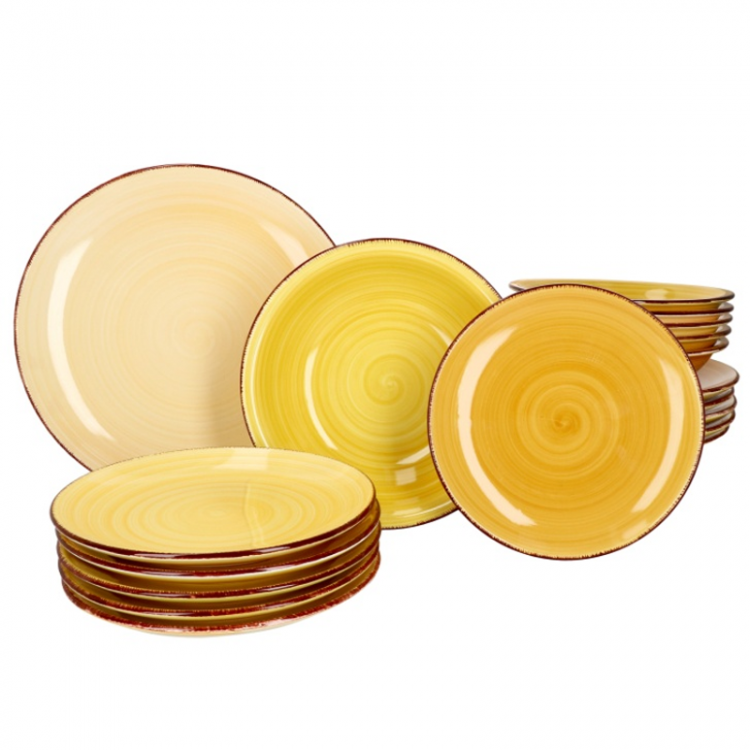
02 · Collection identity
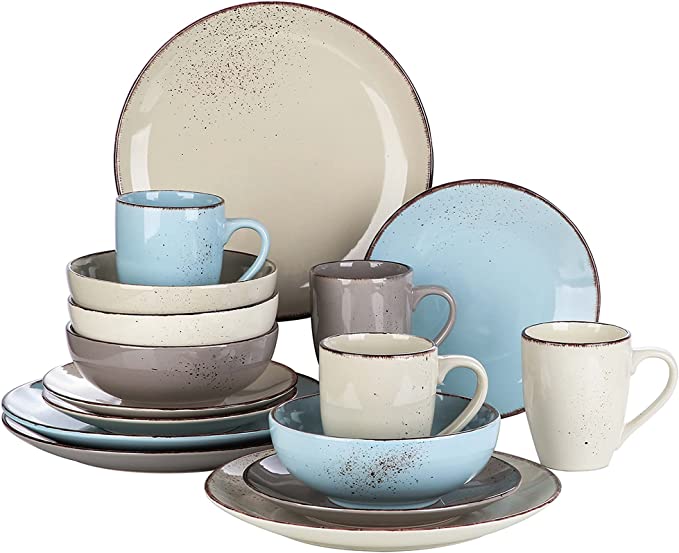
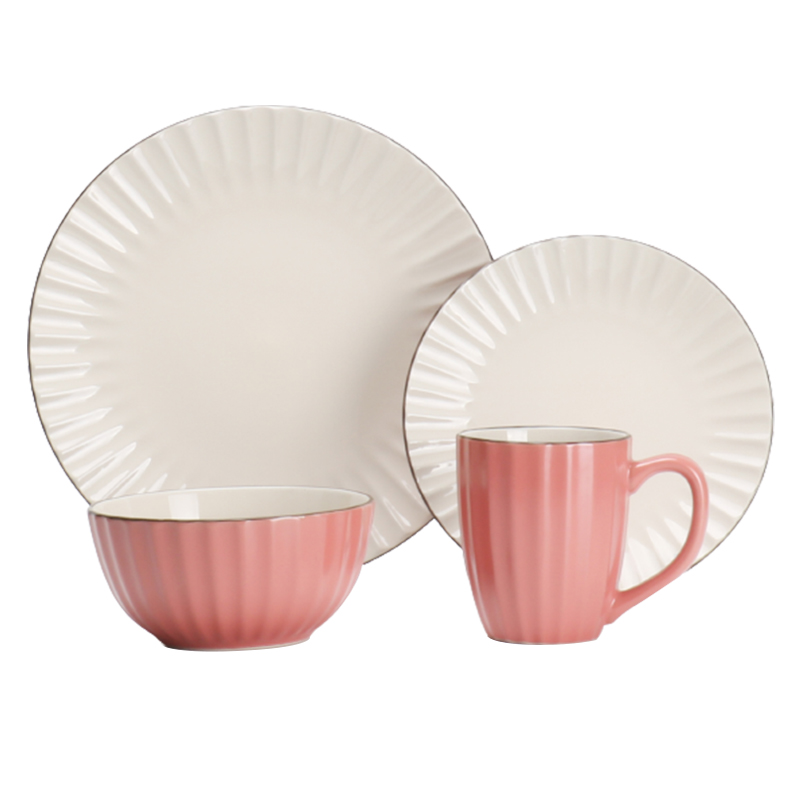
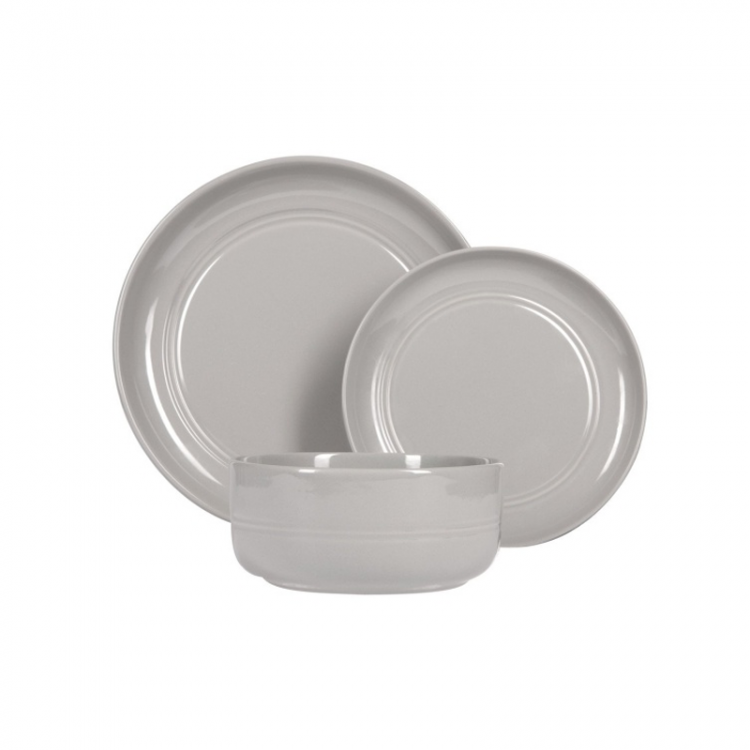
Select body material and finish as separate decisions. White, solid colour, relief and varied glaze surfaces can each form a collection direction, but the pictured examples do not establish material or performance. Set a sample-based colour reference and acceptable variation across the item mix.

Use shape, rim detail and proportion to define a restrained collection. Decide whether all pieces must share one white tone or whether complementary colours are acceptable.
For a mixed-colour range, identify which colour belongs to each item and review the group together. Where speckling or tonal variation is intended, agree a sample range and rejection limits.
Include logo artwork, placement, colour and reproduction permission. Review whether the chosen detail belongs on the rim, exterior or base, and confirm the decorated sample before approval.
03 · Service conditions
Restaurant dinnerware wholesale proposals should be checked against real handling and storage conditions. Record the intended cleaning process, serving temperatures, rack dimensions and stacking needs. Performance claims need evidence for the selected finished item; agree the required chip-resistance, dishwasher and food-contact checks for the finished item.
Measure shelf and rack space. Compare stack height, contact points, stability and ease of separation using the selected samples. Include pieces that need a different storage arrangement.
Describe your cleaning equipment and process, and how staff move the pieces during service. Ask for care instructions and evidence applicable to those conditions before adopting the collection.
Identify destination requirements and request relevant product documents. Check that the body, glaze and decoration match the proposed article. Agree any further sample evaluation and acceptance criteria before ordering.
04 · Order and replenishment
Give each supplier the same item list, quantities and destination. Separate an opening assortment from expected replenishment so a quotation can state what is included. Minimum orders, pricing, timing and future availability depend on the selected items and project; record them in the project proposal.
Estimate quantities by menu role, service capacity, stock rotation and your own reserve policy. Quote the pieces individually as well as the total assortment so changes can be compared clearly.
Ask a prospective restaurant dishware supplier how later orders would identify the approved body, shape and finish. Request proposed reorder terms and colour-variation handling; continuity must be agreed rather than assumed.
Specify bulk or individual packing, carton identification and destination requirements. Ask what packing checks and shipping terms the proposal includes, with responsibilities stated explicitly.
05 · Plate purchasing
For bulk ceramic plates, start with the pieces your menu uses, then list each diameter, profile, finish and quantity separately. If the programme calls for porcelain, state that body requirement for the relevant items and request product-specific sample identification. The Hospitality brief connects the purchase plan to service, packing and replenishment; the materials page provides a separate body-and-finish comparison.
Separate dinner, side, dessert and serving plates by size and menu role. Record quantities for the opening order and likely replenishment so alternatives can be compared on the same basis.
When sourcing wholesale porcelain plates or planning bulk porcelain plates for a coordinated range, identify which SKUs must use porcelain. Request the proposed item's material record and review a physical sample; a white appearance does not establish body composition.
Link every plate in the purchasing schedule to its body, finish and acceptance sample. Use the materials page to compare body and surface choices, then bring the selected requirements back into the Hospitality quotation brief.
06 · Sample approval
Sample the collection as a working assortment. A photograph can start the conversation, while physical review establishes whether the proposed shapes and finishes meet your brief. Keep the approved item list, acceptance criteria and commercial terms together so later decisions have a shared reference.
Before we begin
Send the venue type, menu references, item sizes, finish direction, destination and quantities by item. Include planned cleaning and storage conditions, any branding, and whether the enquiry covers opening stock or replenishment.
List all required pieces in one assortment brief. We review coordination of body, profile and finish across the selected samples, then record the agreed item mix in your quotation.
No universal minimum or fixed price is stated. Ask for item-specific quantities, sample and tooling costs where applicable, packing scope and delivery terms in the project proposal.
Describe your cleaning process and intended use. We agree the required documentation, care instructions and sample evaluation for the proposed finished item before approval.
Keep the approved product identification and sample record, then request proposed reorder quantities, timing and finish-matching terms. Future availability and matching tolerance need written agreement for the selected collection.
This is a product supply and development enquiry page. It does not offer local rental, event pickup or return services. Rental operators can describe their product purchasing needs in a separate supply brief.
Your next collection
Send your menu references, item schedule, destination and opening quantities. Include your replacement and packing requirements.
Discuss your Hospitality brief