


Nigeria
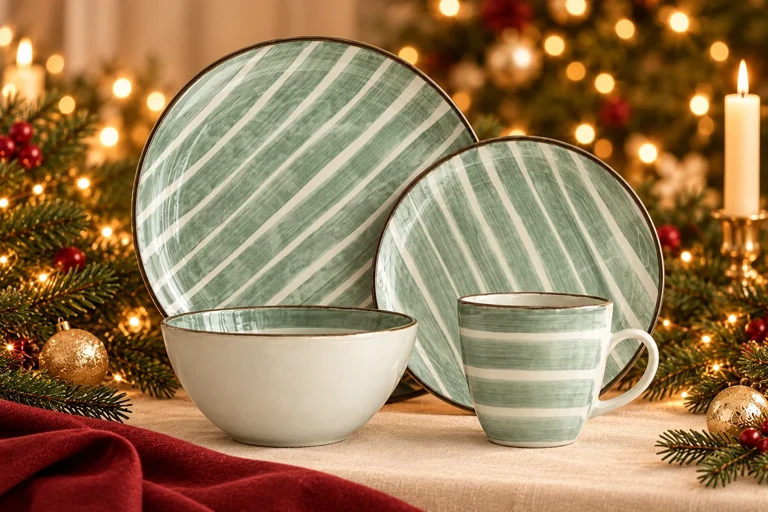
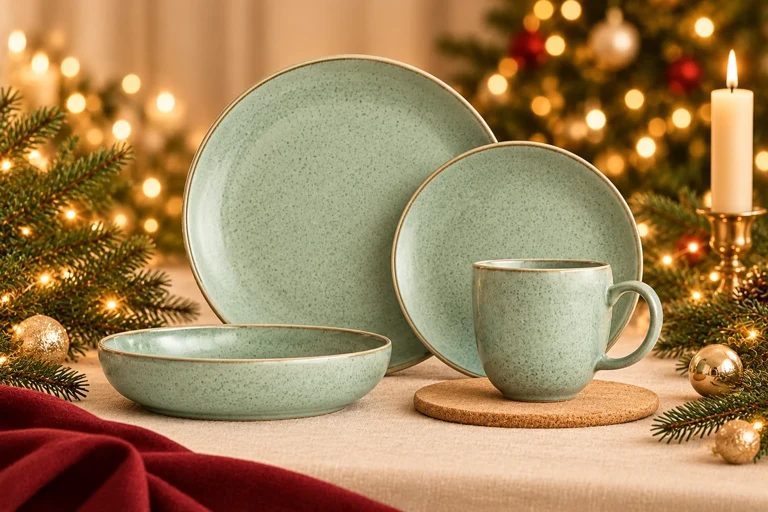
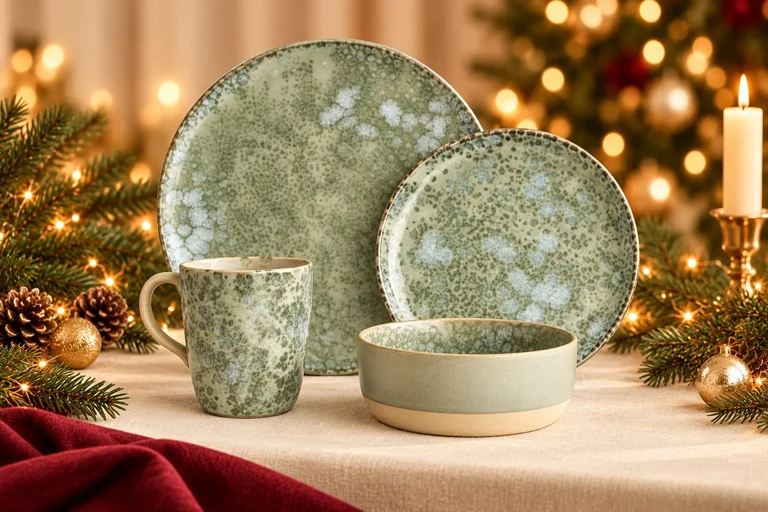
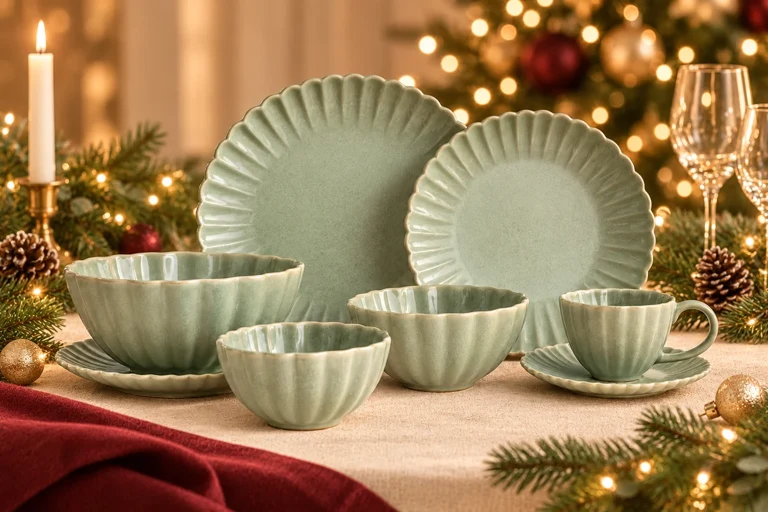
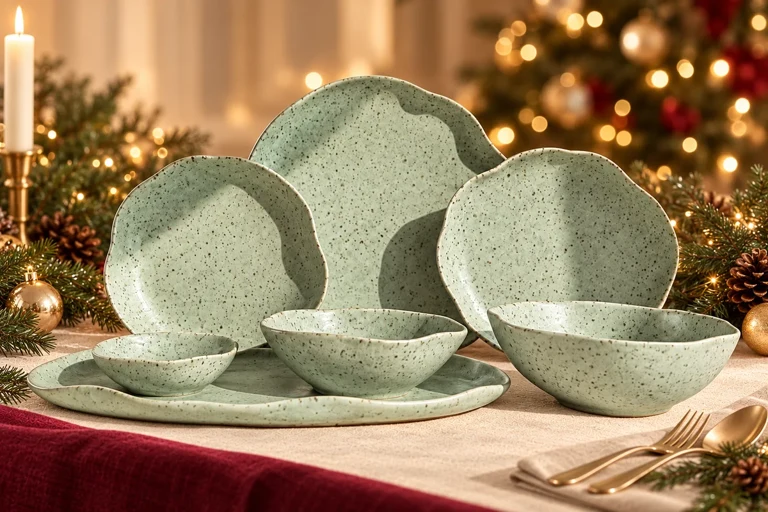
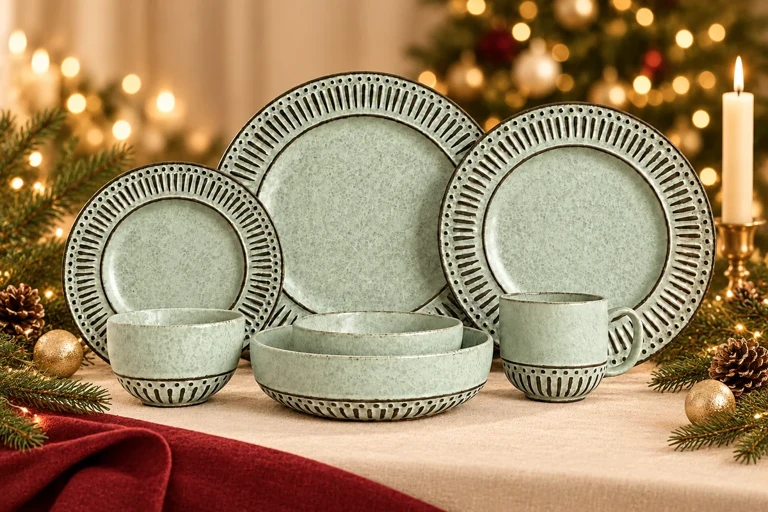
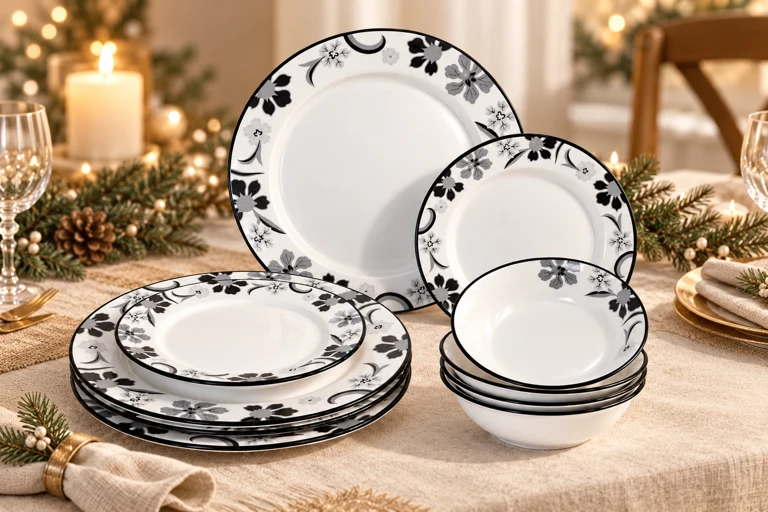
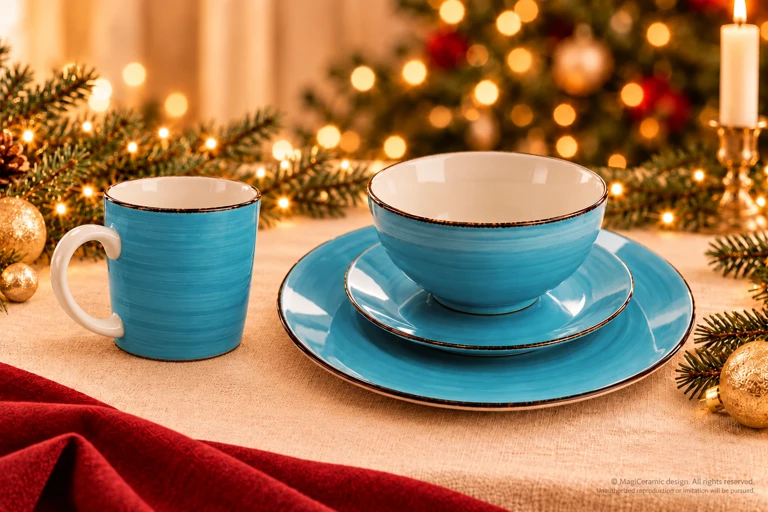
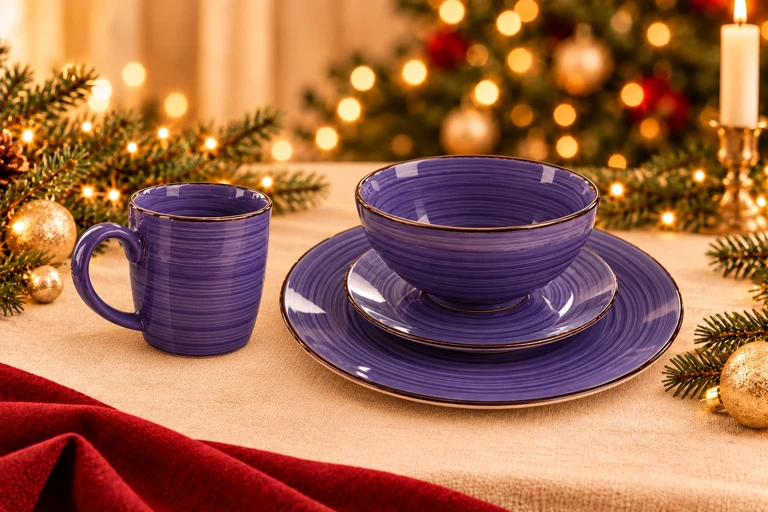
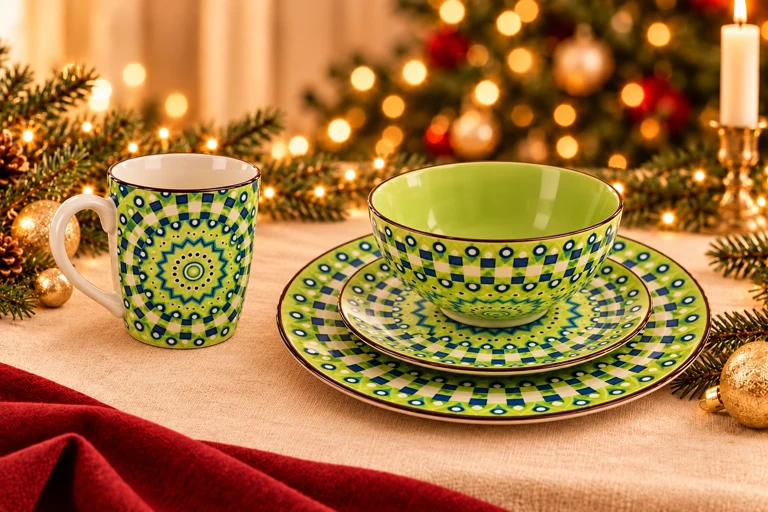
Colourful four-piece dining sets
View products →Global Network
Choose a factory area to view its product references, build a shortlist or download a catalogue.
Colourful four-piece dining sets
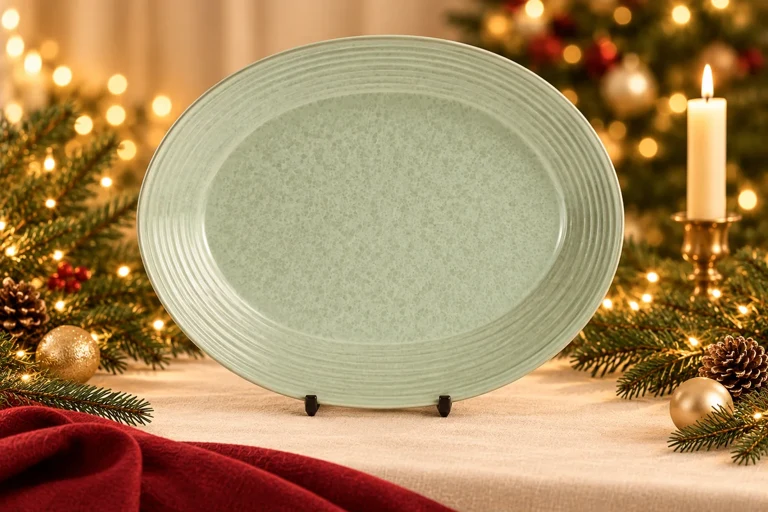
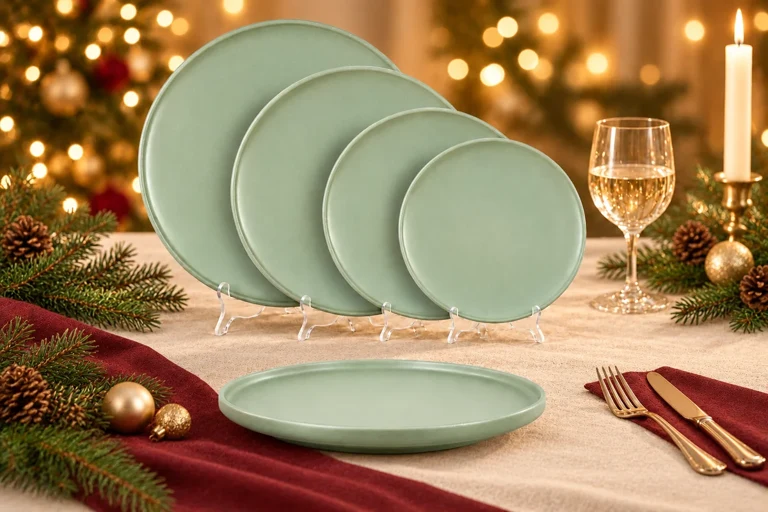
View products →Coordinated textures, shapes and glazes
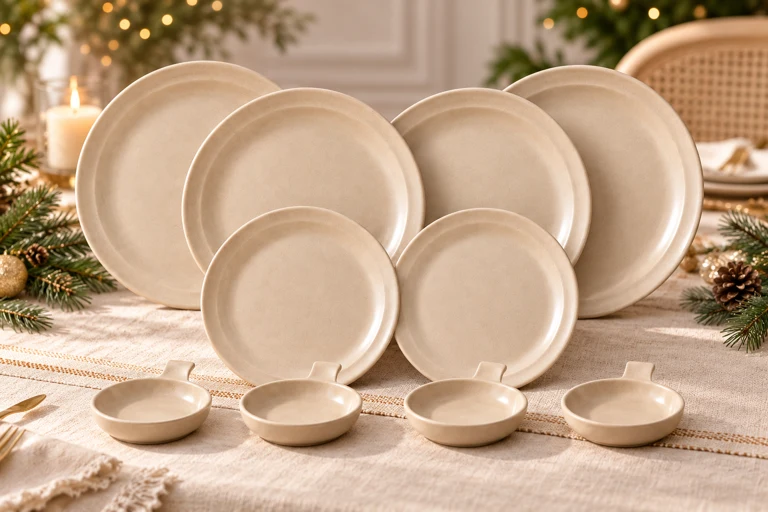
View products →Dining sets, serving pieces and café references. Open the collection to choose pieces and sizes.
View products →Global manufacturing network
Our China manufacturing base and overseas factory programmes help you compare sourcing routes for your next ceramic collection.

China manufacturing regions and overseas country locations. Markers show indicative areas; selected factories and manufacturing stages are identified per project.
We share our ceramic firing process to help partner factories lower kiln-firing costs and improve energy efficiency. In return, they manufacture the orders we coordinate through MAGICERAMIC.
Confirm the selected factory, manufacturing stages, sample specification and order documentation for your sourcing route.
It may qualify under an applicable preferential arrangement when the particular country, product and origin requirements are met and the required proof is available. Review the proposed goods and shipment with your importer or customs adviser. Import VAT and other charges are separate from preferential customs duty.
No. A new shipping route does not itself establish a new origin. Any non-China origin claim must follow the applicable rules and the actual manufacturing facts. The proposed production stages and input records should be reviewed before a buyer relies on the claim.
EU measures apply to defined products and origins. Regulation (EU) 2026/274 concerns covered ceramic tableware and kitchenware originating in China; it should not be treated as a rule for every ceramic collectible. Review the specific classification, origin and measures in force for your shipment before comparing costs.
Request the proposed factory and country, production-stage details, a sample plan, a product-specific testing plan, packing information and an origin-document checklist. Ask for a quotation with clear delivery terms, quantity assumptions and lead time. Factory imagery alone cannot establish capacity, certification or customs eligibility.
Technology transfer is part of our African partner-factory programme. The applicable patent, permitted use and implementation scope need to be matched to the individual project. Review trial samples and local process requirements before assuming the technology delivers a particular finish, throughput or product performance.
Bring your designs, material preferences, intended use and order profile for a feasibility review. Sampling, decoration, packing and replenishment requirements are confirmed for the selected factory. Explore our OEM development, materials and hospitality pages to prepare the product side of the brief.
Images show styling concepts and proposed colourways. Confirm the selected pieces and samples with MagiCeramic.